
The relentless rise of artificial intelligence has reshaped the modern economic landscape. Algorithms draft legal contracts, write software, analyze financial markets, and create compelling marketing collateral in fractions of a second. White-collar professions once considered permanently safe from disruption now face unprecedented pressure. Yet, amid this digital shift, an entire sector of the economy remains virtually untouched: physical, location-dependent, hands-on enterprise.
The reason for this resilience lies in a simple reality of physics and human necessity. Software lives in digital environments, but human beings inhabit physical space. When a pipe bursts, a vehicle breaks down on the highway, or a commercial cooling unit fails, an algorithm cannot pick up a wrench, navigate traffic, or maneuver heavy machinery into position. The physical world presents infinite variables, irregular environments, and unstructured tasks that artificial intelligence cannot process or solve on its own.
By evaluating businesses through the lens of spatial intelligence, manual dexterity, specialized equipment, and immediate physical response, we can construct a framework for long-term commercial defensibility. The following breakdown explores four primary categories of un-automatable small businesses that offer durable moats against digital disruption.
Heavy Material Services and Site Preparation
The physical infrastructure that underpins modern society requires ongoing maintenance, modification, and heavy physical labor. Software can simulate structural dynamics, but modifying raw materials on an active construction or renovation site requires specialized equipment and human oversight.
Precision Material Modification
Constructing, altering, or removing dense structural elements demands more than raw power; it requires real-time risk assessment and adaptive spatial handling. Take concrete cutting as an essential service across residential, commercial, and civil infrastructure projects. When a crew needs to slice through reinforced slabs, open up utility trenches, or modify a foundation, they encounter unpredictable factors—hidden rebar, variable moisture levels, and structural stress points.
An automated tool cannot gauge the subtle feedback of a diamond blade biting into dense material or adjust its approach instantly when encountering unexpected internal obstructions. Human operators must continuously evaluate environmental safety, manage dust suppression, and adapt to changing site conditions. The high capital expenditure for machinery combined with the specialized skill required ensures this industry remains firmly anchored in human hands.
Structural Surface Installation and Repair

Similarly, working with outdoor surfaces like asphalt demands rapid coordination between heavy machinery operators, manual labor crews, and material supply lines. Contracting companies specializing in paving, resurfacing, and ground clearance must adapt continuously to outdoor variables. Soil compaction, ambient temperature, humidity, and site drainage all dictate how hot mix material behaves during installation.
No language model or digital system can lay a smooth, durable surface over uneven terrain or manage the physical logistics of hot material delivery before it cools and hardens. The combination of heavy equipment operation, physical stamina, and environmental adaptability creates an insurmountable barrier for digital automation.
Urgent Dispatch and Logistics in Uncontrolled Environments
When physical emergencies occur, or large volumes of material must be relocated, immediate local deployment is mandatory. These industries rely on mobile physical assets, rapid human judgment, and spatial navigation through unpredictable real-world traffic and weather conditions.
Vehicular Recovery and Roadside Clearing
Roadway incidents occur continuously, requiring immediate, specialized physical intervention. Operating a towing service involves far more than driving a truck from point A to point B. Every roadside situation presents a distinct puzzle: an overturned vehicle in a ditch, a multi-car collision on a busy freeway, or a disabled truck locked in a tight underground parking garage.
Operators must assess structural integrity, safely hook up vehicles using appropriate rigging techniques, and manage traffic hazards, all while operating under high stress. The physical coordination required to extract and transport damage-prone machinery safely through live traffic is a fundamentally human domain that digital systems cannot execute.
Bulk Waste and Demolition Management
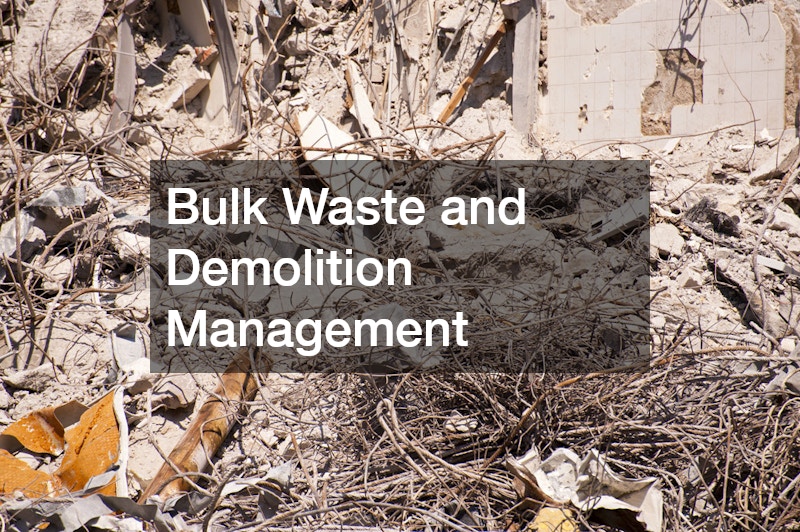
Renovation projects, commercial cleanouts, and construction activities generate immense volumes of debris that must be contained and removed efficiently. Providing a dumpster rental service solves a crucial physical bottleneck for property owners and contractors alike. Whether a homeowner is tackling a full kitchen teardown or a commercial developer is gutting a multi-story office building, work immediately grinds to a halt without a dedicated, high-capacity system to handle raw waste output.
While online portals and digital software can certainly streamline upfront booking and dispatch logistics, the ultimate success of the service relies entirely on heavy real-world asset deployment. Managing a physical fleet of specialized vehicles requires an acute level of spatial awareness and hands-on operational skill. Drivers must navigate multi-ton roll-off trucks through cramped urban alleyways, back down winding residential streets, and position massive steel containers onto sloping driveways without cracking delicate asphalt, damaging concrete, or striking overhead power lines and tree branches.
Beyond initial delivery, the industry demands ongoing physical execution and strict regulatory compliance. Operators must continuously manage the complex logistics of waste sorting, hazardous material segregation, and municipal disposal guidelines at local transfer stations. Each site presents unique physical challenges, from shifting ground stability after heavy rain to retrieving overloaded bins wedged in tight spaces. An algorithm can easily optimize a route, but it cannot physically lift, balance, secure, or transport tons of concrete, drywall, and structural timber. The absolute necessity of physical equipment, specialized driver expertise, and local waste handling infrastructure renders this business model completely immune to digital software replacement.
Residential and Commercial Transport
Relocating households or corporate offices involves handling thousands of unique, fragile, and oddly shaped items. Professional moving companies thrive because moving goods requires extraordinary spatial awareness, physical endurance, and delicate tactile control.
Packing a transport truck efficiently is an applied spatial problem where every piece of furniture, box, and equipment must be secured against shifting during transit. Navigating a heavy, expensive sofa up a narrow spiral staircase without scuffing walls requires real-time coordination between multiple individuals. Because every home, staircase, door frame, and piece of furniture is different, standardized robotic automation remains far too rigid and expensive to compete with adaptable human crews.
Specialized Diagnostics and Micro-Tactile Mechanical Repair
Modern mechanical and electronic systems are increasingly complex. While software can assist with diagnostic error codes, the actual physical labor of taking apart a machine, replacing microscopic or heavy components, and reassembling intricate mechanisms remains entirely human.
Marine HVAC and Environmental Systems
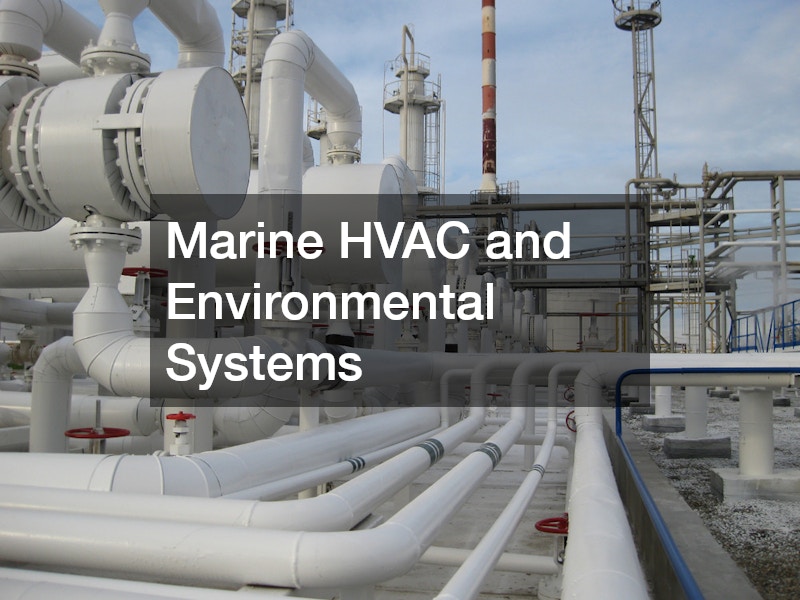
Specialized mechanical trades operate in unique physical environments that exacerbate repair challenges. Performing marine ac repairs illustrates this principle perfectly. Unlike residential or commercial building technicians who work in open, standardized mechanical rooms with easy panel access, marine mechanics must physically adapt to the restrictive architecture of watercraft. They regularly crawl into cramped bilges, squeeze through narrow hatchways, work inside tight fiberglass hulls, and navigate harsh, highly corrosive saltwater environments where rust and electrical corrosion are constant obstacles.
Marine cooling systems involve complex, interdependent interactions between raw water intake pumps, pressurized refrigerant lines, specialized marine electrical controls, and critical thru-hull penetrations. The diagnostic process alone is intensely tactile and physical. Because components are frequently buried behind custom cabinetry or structural bulkheads, a technician must often trace fluid or gas leaks purely by touch and sound. They must execute delicate soldering, wiring, and pressure adjustments while contorted in inverted positions within suffocating, poorly ventilated engine bays where a single dropped tool can disappear into the deepest recesses of the bilge.
Furthermore, boat manufacturing lacks the strict spatial standardization seen in residential real estate. Two yachts of the exact same model year may feature entirely different aftermarket plumbing runs or electrical modifications. A skilled technician cannot simply follow a rigid, step-by-step manual; they must continuously improvise, fabricating custom brackets or adapting off-the-shelf replacement parts to fit unique vessel layouts on the fly. They must also maintain a constant awareness of maritime safety, ensuring that every thru-hull fitting and electrical seal prevents water ingress and catastrophic onboard fires. The sheer environmental difficulty, physical discomfort, spatial complexity, and specialized craft required to maintain marine climate control systems firmly protect this field from both software disruption and standardized robotic automation.
Commercial and Residential Refrigeration
Food safety, medical storage, and residential comfort depend entirely on continuous climate control. When a commercial cooling unit fails at a restaurant or grocery store, thousands of dollars in inventory are at risk every hour. Engaging in refrigeration repair requires immediate physical dispatch, deep diagnostic knowledge, and manual trade skills.
A technician must physically test electrical circuits, locate micro-leaks in pressurized copper lines using specialized detectors, braze joints with a torch, and replace heavy compressors. The blend of urgent, high-stakes troubleshooting and skilled manual labor ensures that commercial and residential technicians will always remain in high demand.
Complex Automotive Drivetrain Diagnostics
Automotive mechanics face an evolving landscape of complex mechanical and electronic systems. Among these specialized fields, transmission repair stands out as one of the most intricate mechanical disciplines. A modern vehicle transmission is a marvel of engineering, housing hundreds of precision gears, hydraulic valves, clutches, and electronic solenoids within a tight metal casing.
Identifying the root cause of a slipping gear or erratic shifting requires a combination of diagnostic software analysis and physical mechanical investigation. Rebuilding or replacing a transmission demands precision torqueing, micro-measurements, and heavy lifting in tight engine bays. Until machines can independently pull engines, disassemble complex hydraulic valve bodies, and re-machine precision gears on demand, skilled mechanics will remain essential.
Precision Electronics Repair
Automation risk is not solely determined by the size of the equipment involved. Micro-scale repairs on delicate consumer electronics require exceptional fine motor skills and tactile sensitivity. Offering an iPhone screen repair service highlights how manual dexterity serves as a commercial moat.
Modern smartphones are tightly packed sandwiches of glass, lithium-polymer batteries, fragile flex cables, and microscopic screws of varying lengths. Replacing a cracked screen requires applying precise heat to soften adhesives, gently prying delicate glass without puncturing underlying components, and carefully reconnecting tiny ribbon cables. The micro-tactile feedback needed to avoid tearing a sensor cable or stripping a threaded hole makes high-volume, decentralized device repair ideal for skilled human technicians operating local storefronts or mobile repair units.
Physical Real Estate, Regulated Facilities, and Tangible Goods
Some businesses rely on a physical location, real-world inventory, and specialized safety infrastructure that simply cannot be replicated online. These enterprises serve as essential community hubs or regulated venues that offer experiences and products tied directly to physical geography.
Essential Agricultural Distribution

Farms, ranches, and commercial growers depend on steady access to physical inputs, specialized tools, and local expertise. Operating an agricultural supply center creates a vital bridge between large-scale manufacturers and local producers.
Growers cannot download feed, bulk fertilizer, fencing materials, or tractor implements. They require physical distribution centers capable of warehousing heavy inventory and delivering it locally. Furthermore, local supply stores provide crucial face-to-face consultative value. Store staff understand local soil conditions, regional pest pressures, and seasonal climate patterns, offering practical advice that generic digital search results cannot match. The combination of heavy inventory management and localized technical knowledge builds a strong economic defense.
Regulated Experiential and Training Facilities
Entertainment, recreational, and educational businesses that rely on heavily regulated physical facilities offer strong protection against digital substitution. Operating a gun range requires specialized real-world infrastructure, including ballistic soundproofing, heavy-duty backstops, advanced ventilation and filtration systems, and strict physical security protocols.
Firearm enthusiasts and individuals seeking personal safety certification require a controlled, safe physical environment to practice. Moreover, live instruction, range safety supervision, and the physical handling of equipment cannot be virtualized. The high barrier to entry regarding zoning, physical construction, regulatory compliance, and insurance creates a durable localized market that software cannot disrupt.
Strategic Characteristics of AI-Resilient Businesses
Analyzing these diverse industries reveals several common traits that protect them from digital obsolescence. Businesses that naturally resist automation typically operate in highly unstructured working environments where conditions shift constantly and unpredictably. They rely heavily on fine-motor skills, high physical strength, or micro-adjustments based on tactile sensory feedback. Furthermore, these enterprises often demand significant capital investments in mobile equipment, heavy machinery, or purpose-built facilities, and they cater to customers who require an immediate, localized physical response.
Navigating the Future of the Physical Economy
The expansion of artificial intelligence will undoubtedly transform how physical service businesses operate internally. Un-automatable businesses will not ignore AI; instead, they will leverage digital tools to enhance their operations. Service providers will use automated scheduling software, AI-driven route optimization for fleet vehicles, instant customer service chatbots, and predictive inventory management tools to lower administrative costs and increase profitability.
However, the core service delivered to the customer will remain fundamentally human. The technician holding the soldering iron, the operator maneuvering the saw, the driver hoisting the steel container, and the mechanic diagnosing a hydraulic failure represent the durable bedrock of the physical economy.
As digital tools lower the barriers to entry in pure knowledge work, capital and talent will increasingly flow toward hands-on trades and physical service enterprises. The small businesses that thrive in the coming decades will be those that embrace digital management tools behind the scenes while mastering the complex, messy, and indispensable work of the real world.