Embarking on a major renovation project for a commercial or multi-family property is a significant undertaking. It requires balancing financial constraints, tight timelines, tenant satisfaction, and a dizzying array of specialized contractors. Whether updating an office park, refreshing a retail center, or executing a complete overhaul of a residential complex, success hinges on meticulous planning and clear communication.
When done correctly, a major renovation does more than just fix wear and tear; it actively boosts property value, improves operational efficiency, and enhances the daily experience of everyone who sets foot on the premises. However, managing these moving parts can easily become overwhelming without a structured framework. This comprehensive guide outlines the essential phases of managing a large-scale property renovation, providing actionable insights to keep your project on time, within budget, and up to the highest professional standards.
Furthermore, property owners must recognize that a modernization project is an investment in risk mitigation. Older structures carry hidden operational liabilities, from inefficient insulation to outdated infrastructure that fails to meet modern building codes. By proactively addressing these issues through a systematic renovation, you protect your capital investment from sudden, catastrophic failures that disrupt business continuity. The process demands an analytical approach where decisions are driven by data, market trends, and rigorous vendor vetting. As we dive into the specific phases of a major overhaul, keep in mind that the ultimate goal is to transform your physical asset into a highly optimized, future-proof engine of economic growth.
1. Defining Project Scope and Establishing Initial Goals

The foundation of any successful renovation lies in a clearly defined scope of work. Before a single hammer is swung or any vendor is contacted, stakeholders must align on what the project will achieve. Are the upgrades intended to fix structural deficiencies, modernize the aesthetic to attract premium tenants, or improve energy efficiency to lower long-term utility bills? Pinpointing these goals prevents scope creep, which occurs when a project gradually expands beyond its original budget and timeline due to poorly defined boundaries.
During this initial planning phase, it is highly beneficial to consult with a specialized condo management company or property administration expert. These professionals possess historical data regarding common structural failures, tenant complaints, and community needs. They can provide invaluable guidance on which upgrades will yield the highest return on investment and which can be deferred to a later date. This step ensures that your budget is allocated to the areas that need it most, preventing costly mid-project corrections.
2. Conducting Comprehensive Site Assessments and Feasibility Studies
Once the general goals are established, the next phase involves assessing the actual physical constraints and conditions of the property. Hidden issues such as outdated electrical wiring, foundational settling, or undetected water damage can quickly derail a renovation if discovered late in the process. Bringing in structural engineers and architects to perform feasibility studies helps uncover these risks early, allowing you to build contingency funds directly into your budget.
A critical focus of any commercial exterior assessment is the integrity of the building envelope. Property owners frequently discover that minor leaks have compromised the underlying structure over time. Engaging a certified roofing company during this assessment stage allows for a thorough inspection of the building’s top barrier. Their detailed reports on deck conditions, insulation levels, and drainage systems ensure that any necessary structural repairs are integrated into the primary renovation plan rather than discovered as an expensive surprise later on.
3. Securing Capital, Budgeting, and Contingency Planning
Financial mismanagement is one of the most common reasons commercial renovations fail. A realistic budget must account not only for material and labor costs but also for permits, architectural fees, insurance, and legal expenses. Professional project managers typically recommend setting aside a contingency fund of fifteen to twenty-five percent of the total project budget to handle unforeseen obstacles without halting work.
When structuring the financial timeline, it is also important to consider how funds will be disbursed to various vendors over the course of the project. For instance, specialized contractors often require upfront deposits for materials. If your renovation involves expansive structural additions or custom commercial enclosures, partnering with an experienced clear span building company will require a clear understanding of milestone payments. Securing your financing early and establishing clear payment schedules protects your cash flow and builds trust with your contracting partners.
4. Designing Navigable Layouts and Upgrading Curb Appeal

The visual appeal and accessibility of a property play a monumental role in its overall market value and tenant retention. The design phase should focus heavily on creating a welcoming environment that is both beautiful and functional. This includes optimizing vehicular traffic flow, ensuring compliance with accessibility laws, and selecting durable, attractive materials that stand up to heavy daily use.
Ground-level aesthetics, such as walkways, courtyards, and parking areas, serve as the first impression for visitors and tenants alike. When planning these exterior spaces, collaborating with reputable local paver companies ensures that your hardscaping is structurally sound and visually cohesive. Well-designed interlocking pavers or stamped concrete accents can dramatically elevate the premium feel of a commercial property while simultaneously resolving long-term drainage and grading issues.
5. Managing Environmental and Structural Integrity Across the Site
As construction begins, maintaining environmental safety and structural integrity across the entire property becomes a primary concern. Large-scale renovations often disrupt the natural grading of the land, leading to soil erosion and dust accumulation. Project managers must implement strict environmental controls, such as silt fencing and dust suppression systems, to remain compliant with municipal regulations and preserve local ecosystems.
Simultaneously, structural components must be carefully monitored, especially when dealing with multiple buildings or complex architectural layouts. Property managers often discover that initial roof inspections only scratched the surface of what needs attention across a massive facility. Relying on top-tier roofing companies to execute a coordinated, multi-phase replacement program ensures that all buildings remain water-tight and protected from the elements while interior renovations are underway downstairs.
6. Establishing On-Site Logistics and Temporary Infrastructure
A major challenge of renovating an active commercial property is maintaining daily business operations while heavy construction takes place. The influx of workers, materials, and machinery can easily paralyze parking lots and access roads if logistics are not strictly managed. Designating specific staging areas for materials and creating dedicated construction corridors helps keep standard traffic moving safely.
Furthermore, a sudden spike in human capital on the property requires temporary infrastructure to maintain hygiene and comfort. Renting facilities from a professional portable toilet rental company ensures that construction crews have adequate, clean amenities on-site. This keeps workers from utilizing tenant-facing restrooms, maintaining a clear boundary between construction activities and regular business operations while protecting the interior cleanliness of the property.
7. Coordinating Heavy Machinery and Site Preparation Safely
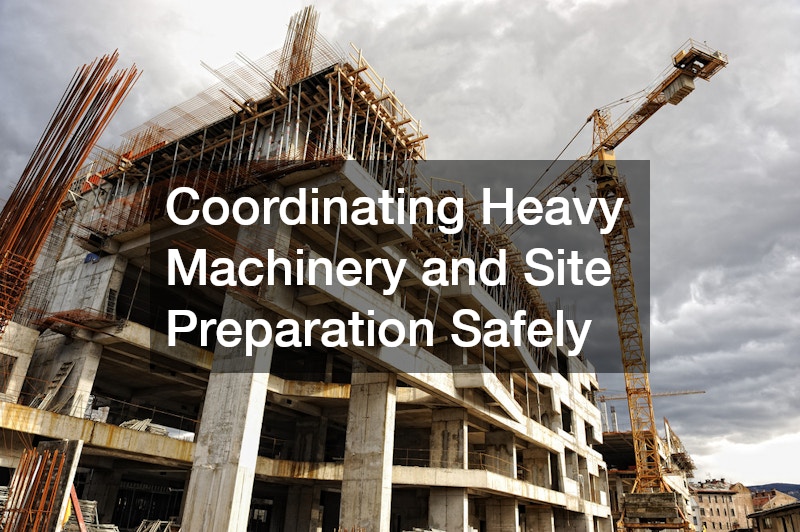
The actual physical labor of a large renovation frequently requires the use of specialized earthmoving, lifting, and demolition machinery. Operating this equipment in close proximity to standing structures and active pedestrian pathways introduces significant safety risks. Implementing clear safety protocols, including mandatory spotters, safety barriers, and clear signage, is paramount to avoiding accidents.
Acquiring the necessary machinery efficiently also requires strategic vendor partnerships. Instead of purchasing specialized gear that will only be used for a few weeks, project managers typically work with a reliable heavy equipment rental company to source excavators, scissor lifts, and skid steers. This approach ensures access to modern, well-maintained machinery tailored exactly to the needs of each renovation phase, keeping costs predictable and reducing downtime caused by equipment failures.
8. Streamlining Material Logistics and Waste Management
The sheer volume of debris generated during a commercial renovation can quickly accumulate, creating safety hazards and eyesores that deter customers. An effective waste management strategy involves scheduling regular debris removal and setting up dedicated recycling stations for metals, concrete, and wood. Properly managing this waste stream keeps the job site efficient and compliant with local environmental laws.
Moving these heavy materials and waste containers around a busy job site requires specialized transportation solutions. Partnering with a dedicated trailer company allows the management team to have utility trailers, dump trailers, and flatbeds readily available on-site. This constant access to transport equipment prevents bottlenecks, allowing crews to clear debris immediately and move heavy raw materials from staging areas directly to the active work zones without delay.
9. Managing Administrative Workflows and Relocation Logistics
Beyond the physical labor on the construction site, a successful renovation demands a massive amount of administrative coordination. Contracts must be reviewed, change orders must be formally documented, and tenants must receive timely notices regarding utility shutdowns or noise disruptions. Keeping a meticulous digital archive of all communications and permits prevents legal disputes and keeps the project aligned with municipal guidelines.
In some instances, the scale of the interior renovations may require tenants to temporarily vacate their offices or residential units. Coordinating these transitions smoothly requires professional logistical support. Working with experienced moving companies helps minimize the downtime associated with these transitions. Professional movers ensure that expensive office equipment, sensitive documents, and tenant belongings are packed, transported, and stored securely, allowing the renovation crews to work efficiently in completely cleared spaces.
10. Navigating the Final Phases and Ensuring Operational Handover
As the heavy construction wraps up, the project enters the critical final phase: the punch list and official handover. This involves a room-by-room, system-by-system inspection to ensure every piece of work meets the agreed-upon standards. Any minor deficiencies, such as paint blemishes, loose fixtures, or minor hardware adjustments, are documented and resolved before final payments are released to the contractors.
The final administrative push also involves gathering all warranties, operation manuals, and final municipal certificates of occupancy. During this final stretch, the rapid movement of sensitive legal paperwork, blueprint revisions, and final signed contracts between stakeholders is vital. Utilizing a dependable courier delivery company for these urgent documents ensures that closeout paperwork is processed securely and swiftly, preventing artificial delays in reopening the fully renovated property to the public.
Successfully executing a large-scale commercial property renovation requires a rare blend of patience, strategic planning, and meticulous vendor management. By breaking the process down into distinct, logical phases, property owners and managers can maintain control over their budgets and timelines while minimizing the daily disruptions inherent to construction.
The true success of a renovation is measured long after the contractors have packed up and departed. It is reflected in lower energy bills, reduced ongoing maintenance costs, increased tenant satisfaction, and a significant boost in the property’s market valuation. By investing time into careful preparation, hiring trusted professionals, and maintaining clear communication channels throughout the lifecycle of the project, you ensure that your property remains a vibrant, functional, and highly valuable asset for decades to come.
Ultimately, the blueprint for a seamless handover rests on your ability to remain adaptable. No construction project goes entirely according to plan, but a resilient management strategy allows you to pivot when supply chains falter or structural surprises arise. The sweat equity invested into coordinating specialized service providers pays dividends by elevating your property above competing local real estate. As you close the chapter on construction, look forward to a renewed operational lifecycle characterized by higher tenant retention, optimized utility expenditures, and a modernized aesthetic presence. Let this guide serve as your ongoing framework for future developments, ensuring that every asset in your portfolio continues to thrive, evolve, and command premium market value in an increasingly competitive landscape.
A successful commercial renovation establishes a benchmark for your organization’s operational excellence and long-term sustainability goals. By modernizing older, inefficient systems, you are not merely preserving a building; you are actively contributing to a more sustainable, eco-friendly urban landscape. The relationships forged with elite contractors during this intensive process will form the backbone of your preferred vendor network for future real estate ventures. Ultimately, the capital, time, and strategic oversight poured into this project transform a static piece of architecture into a highly dynamic environment ready to meet the evolving demands of tomorrow’s marketplace. Investing in your asset’s physical infrastructure ensures that it remains resilient, highly competitive, and poised to deliver exceptional returns on investment for many years to come.