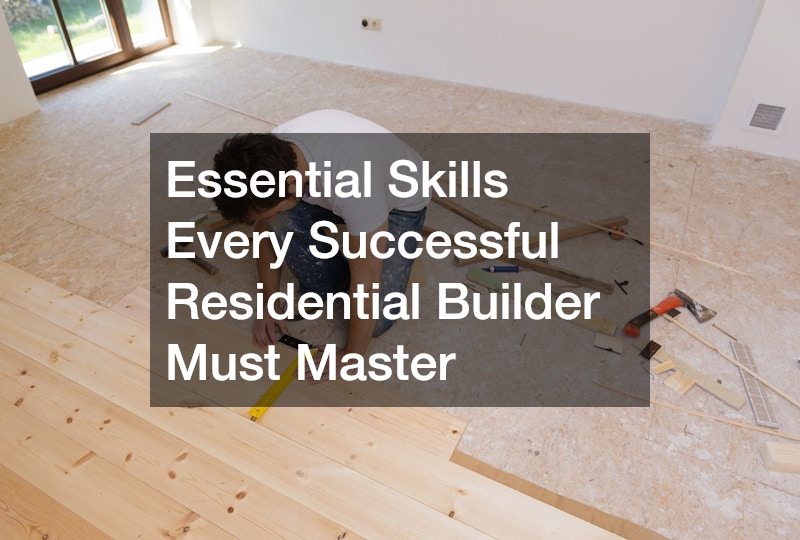
Building a home is one of the most complex, detail-oriented, and high-stakes ventures in modern business. It requires synthesizing raw materials, human labor, municipal codes, financial logistics, and human expectations into a single, enduring structure. The individuals responsible for leading these operations, residential builders, must possess a dynamic blend of technical expertise, interpersonal finesse, and strategic vision to deliver high-quality properties consistently on schedule and within budget. Achieving long-term success in this fast-paced industry requires mastering several core disciplines that span from field engineering to high-level corporate governance.
At the bedrock of effective construction management lies deep, uncompromising technical knowledge. Professional residential builders must maintain a thorough understanding of advanced architectural principles, structural engineering fundamentals, structural framing systems, foundation mechanics, and building code requirements. Staying current with local regulations, environmental compliance standards, and evolving building materials ensures that every structure remains safe, energy-efficient, and structurally sound for decades. This expertise empowers leaders to evaluate architectural blueprints critically, identify design flaws prior to breaking ground, and anticipate structural challenges before they result in expensive delays or safety hazards.
Complementing this technical foundation is a mastery of financial management and precise budgeting. Residential construction operates within thin profit margins where unexpected material price hikes, labor shortages, or weather delays can quickly erode profitability. Experienced professionals construct comprehensive estimates, negotiate favorable vendor pricing, manage cash flow tightly, and maintain transparent accounting practices across every phase of development. Establishing rigorous financial controls protects both the company’s bottom line and the client’s investment, ensuring that projects remain solvent from site clearing to final inspection.
Exceptional project management and scheduling abilities are equally vital. A residential build requires orchestrating dozens of independent subcontractors, including excavators, framers, electricians, plumbers, and interior finishers. Coordinating these moving parts demands rigorous scheduling, clear logistics planning, and real-time problem-solving on the job site. Effective leaders use modern scheduling systems and software to sequence trades properly, prevent site overcrowding, and ensure materials arrive exactly when needed, preventing costly idle time and keeping the project moving smoothly.
Equally critical is a relentless commitment to quality control and safety standards. Every phase of construction, from soil compaction to the final coat of paint, requires meticulous oversight to maintain high standards. Implementing strict job site safety protocols protects trade partners and employees from workplace injuries while safeguarding the firm against liability. Regular quality inspections catch minor flaws before they turn into major structural defects, preserving reputation and ensuring complete compliance with building standards.
Mastering trade management and subcontractor relationships is another key pillar of success. A project is only as strong as the craftspeople executing the work. Successful builders cultivate strong networks of skilled subcontractors, treating them as long-term strategic partners. By establishing fair pricing, clear performance expectations, and prompt payment practices, leaders foster loyalty, ensuring that top-tier trades prioritize their projects and deliver exceptional workmanship.
Clear communication and customer relationship management represent another vital skill set. Constructing a residence is an emotional and financial investment for clients, who often find the process overwhelming. Strong communicators manage expectations set from the start, provide clear project updates, explain technical complexities in approachable terms, and handle client concerns with empathy and professionalism. Building genuine trust minimizes friction, transforms potentially stressful situations into positive experiences, and generates invaluable word-of-mouth referrals.
Adaptability and swift risk management are necessary traits in an unpredictable industry. Weather disruptions, supply chain bottlenecks, labor constraints, and hidden site conditions are inevitable realities. Rather than letting setbacks stall progress, adaptable leaders remain calm under pressure, analyze emerging challenges quickly, and execute alternative solutions without compromising design integrity or safety.
A forward-thinking mind for sustainable building practices and modern technology gives modern companies a distinct competitive edge. Today’s home buyers prioritize energy efficiency, smart technology, and sustainable materials. Incorporating eco-friendly practices, high-efficiency mechanical systems, and advanced software tools streamlines operations while appealing to health-conscious and environmentally aware homeowners.
Finally, long-term success demands strategic business acumen and proactive leadership. Running a thriving residential construction enterprise involves continuous market analysis, targeted marketing, sound legal practices, and ongoing workforce development. Cultivating a positive culture on site inspires trades to take pride in their work, driving overall excellence across every development.
Mastering these diverse capabilities enables residential builders to navigate industry challenges confidently, construct exceptional structures, and build sustainable, reputable businesses that stand the test of time.