Introduction
Transforming your home is about more than making it look better—it’s about improving how it functions, feels, and supports your daily life. From the systems that deliver clean water to the finishes that define your living spaces, every component contributes to your home’s overall comfort and efficiency. A strategic approach to upgrades ensures that improvements are not only visually appealing but also durable and practical.
Homeowners often face the challenge of deciding where to start. Should you focus on essential systems first, or invest in aesthetic upgrades? The answer lies in balancing both. Addressing foundational systems while planning thoughtful renovations creates a home that is both reliable and enjoyable. This guide explores key services that help you achieve that balance, offering actionable insights to guide your decisions.
In many cases, the most successful home transformations begin with a clear understanding of your current space. Taking the time to assess what is working well and what needs improvement can help you prioritize projects effectively. For example, outdated systems may quietly reduce efficiency and increase monthly costs, while worn finishes can diminish the overall feel of your home. Identifying these areas allows you to make informed choices that align with both your budget and your long-term goals.
It’s also important to consider how your needs may evolve over time. A growing family, changing lifestyle, or plans to age in place can all influence the types of upgrades that make the most sense. Thinking ahead ensures that your investments continue to serve you well in the future. By combining functionality with thoughtful design, you can create a home that adapts to your needs rather than requiring constant adjustments.
Ultimately, transforming your home is about creating a space that works for you in every sense—practically, visually, and emotionally. With the right approach, even small improvements can make a significant impact, helping you build a home that feels comfortable, efficient, and uniquely your own.
Improving Everyday Living by Upgrading Your Home’s Water Quality

Access to clean, safe water is one of the most important aspects of a healthy home. While municipal systems provide basic treatment, many homeowners still experience issues with taste, odor, or contaminants. Investing in water purification solutions can significantly improve both water quality and overall household efficiency.
Signs your water quality needs improvement
Many homeowners overlook subtle signs that indicate water issues. Watch for:
- Unpleasant taste or smell in drinking water
- Mineral buildup on faucets and appliances
- Cloudy or discolored water
- Dry skin or hair after bathing
Types of systems to consider
Choosing the right solution depends on your specific needs:
- Whole-house filtration systems for comprehensive treatment
- Under-sink filters for targeted drinking water improvement
- Reverse osmosis systems for removing dissolved contaminants
- Water softeners to address hard water issues
Benefits beyond drinking water
Installing water purification systems impacts more than just what you consume:
- Extends the lifespan of plumbing fixtures
- Improves efficiency of appliances like dishwashers and washing machines
- Reduces soap and detergent usage
- Enhances overall comfort in bathing and cleaning
Maintenance tips for long-term performance
- Replace filters according to manufacturer guidelines
- Schedule periodic system inspections
- Monitor water pressure and flow rates
- Keep records of maintenance and replacements
By improving your home’s water quality, you create a healthier environment and protect your plumbing infrastructure.
Addressing Exterior Vulnerabilities Before They Become Major Issues
Your home’s exterior is constantly exposed to environmental stressors. Over time, even small issues can escalate into significant problems if not addressed promptly. Staying proactive with maintenance and roof repair helps protect your home from costly damage.
Common warning signs to watch for
- Missing, cracked, or curling shingles
- Water stains on ceilings or attic surfaces
- Debris accumulation in gutters
- Sagging or uneven rooflines
Preventative maintenance strategies
Routine care can extend the life of your roof:
- Clean gutters regularly to prevent water backup
- Inspect flashing around vents and chimneys
- Trim overhanging branches
- Check for signs of wear after severe weather
When to take action
Understanding the severity of issues helps guide your next steps:
- Minor damage can often be repaired quickly
- Repeated leaks may indicate deeper structural concerns
- Aging roofs may require partial or full replacement
Choosing the right professionals
When hiring help, consider:
- Experience with your specific roofing material
- Clear estimates and timelines
- Warranty options for both materials and labor
Taking care of your home’s exterior ensures long-term protection and peace of mind.
Keeping Waste Systems Functioning Properly to Avoid Costly Problems
A properly functioning waste system is essential for maintaining sanitation and preventing environmental hazards. Regular maintenance, including septic pumping service, ensures that your system operates efficiently and avoids costly breakdowns.
How septic systems work
Septic systems separate solids from liquids, allowing wastewater to be safely processed and absorbed into the ground. Over time, solids accumulate and must be removed to prevent overflow.
Signs maintenance is overdue
- Slow draining sinks and toilets
- Unpleasant odors near drains or outdoors
- Pooling water around the drain field
- Gurgling sounds in plumbing fixtures
Best practices for system care
- Limit water usage during peak times
- Avoid flushing non-biodegradable items
- Use septic-safe cleaning products
- Schedule regular inspections
Recommended service intervals
The frequency of septic pumping service depends on:
- Household size
- Tank capacity
- Water usage habits
What to expect during servicing
- Inspection of tank levels and condition
- Removal of accumulated solids
- Assessment of system components
Maintaining your waste system prevents disruptions and protects your property.
Ensuring Reliable Hot Water Access with Proper System Planning
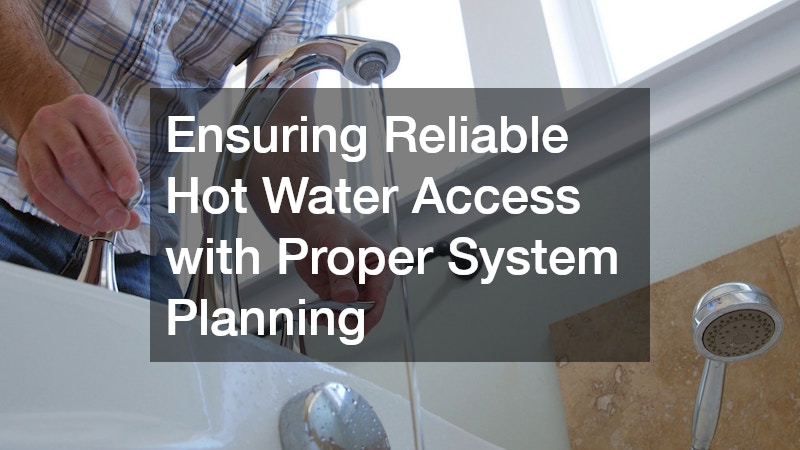
Hot water is a daily necessity, and ensuring a reliable supply requires thoughtful planning and maintenance. Whether upgrading or replacing your system, a proper water heater install can improve efficiency and comfort.
Factors to consider when selecting a system
- Household size and water usage patterns
- Energy source availability (gas, electric, solar)
- Space requirements for installation
- Budget and long-term operating costs
Comparing system types
- Tank systems store and heat water continuously
- Tankless systems provide on-demand heating and improved efficiency
Installation best practices
- Proper sizing to meet demand
- Secure connections and venting
- Compliance with local building codes
Maintenance habits
- Flush tanks annually to remove sediment
- Inspect for leaks and corrosion
- Test safety valves regularly
Benefits of upgrading
- Lower energy bills
- Consistent water temperature
- Reduced risk of unexpected breakdowns
A well-installed and maintained system ensures dependable hot water for years to come.
Creating a Functional and Stylish Bathroom That Meets Your Needs
Bathrooms are one of the most frequently used spaces in any home. Thoughtful upgrades can enhance comfort, improve functionality, and increase property value. A well-planned bathroom remodeling project allows you to tailor the space to your lifestyle, while features like new shower doors can elevate both aesthetics and usability.
Planning your renovation
Start with a clear vision of your goals:
- Improve storage and organization
- Enhance lighting and ventilation
- Update outdated fixtures and finishes
Key upgrades to consider
- Modern vanities with built-in storage
- Water-efficient toilets and faucets
- Durable, moisture-resistant materials
- Improved ventilation systems
Enhancing the shower experience
Adding new shower doors can transform your bathroom:
- Frameless designs create a sleek, open look
- Sliding doors save space in smaller bathrooms
- Tempered glass improves safety and durability
Budgeting and timelines
- Set a realistic budget with a contingency fund
- Plan for potential delays or unexpected issues
- Prioritize essential upgrades before aesthetic enhancements
Long-term benefits
- Increased home value
- Improved daily comfort
- Enhanced visual appeal
Investing in bathroom improvements creates a space that is both functional and relaxing.
Designing a Kitchen That Combines Efficiency, Storage, and Style
The kitchen is often the heart of the home, making it a prime candidate for upgrades. A thoughtful kitchen remodeling project can improve workflow, increase storage, and enhance overall functionality. Partnering with a custom cabinet company allows you to maximize space and tailor designs to your needs.
Evaluating your current layout
Identify areas for improvement:
- Inefficient work triangle between sink, stove, and refrigerator
- Limited counter space
- Insufficient storage
Maximizing storage solutions
- Pull-out shelves and drawers
- Vertical storage for pantry items
- Built-in organizers for utensils and cookware
Choosing cabinetry
Working with a custom cabinet company provides:
- Tailored designs to fit your space
- High-quality materials for durability
- Options for finishes and hardware
Enhancing workflow and usability
- Ensure adequate lighting for tasks
- Incorporate energy-efficient appliances
- Plan for easy movement between work areas
Design considerations
- Coordinate colors and materials
- Balance aesthetics with functionality
- Plan for long-term use and maintenance
A well-designed kitchen improves both daily living and home value.
Selecting Durable and Attractive Surfaces for Long-Term Performance

Countertops play a major role in both functionality and design. Choosing the right materials and working with a skilled countertop installer ensures long-lasting performance.
Popular material options
- Granite for durability and natural beauty
- Quartz for low maintenance and consistency
- Marble for elegance, though it requires more care
- Laminate for affordability and versatility
Factors to consider
- Resistance to heat and scratches
- Maintenance requirements
- Budget constraints
- Compatibility with overall design
Installation considerations
- Proper measurement and fitting
- Secure sealing to prevent moisture damage
- Professional installation for best results
Maintenance tips
- Clean surfaces regularly with appropriate products
- Avoid harsh chemicals
- Use cutting boards and trivets to protect surfaces
Coordinating with your space
- Match countertops with cabinetry and flooring
- Choose colors that enhance natural lighting
- Consider edge profiles for added style
Investing in quality surfaces enhances both function and aesthetics.
Restoring and Maintaining Flooring to Enhance Comfort and Value
Floors endure constant use, making them susceptible to wear and damage. Proper care and timely floor restoration can bring new life to your home while preserving its value.
Signs your floors need attention
- Scratches, dents, or discoloration
- Warping or uneven surfaces
- Loose tiles or boards
Restoration vs. replacement
- Restoration is often more cost-effective
- Refinishing can extend the life of existing materials
- Replacement may be necessary for severe damage
Types of restoration methods
- Sanding and refinishing hardwood floors
- Deep cleaning and resealing tile surfaces
- Repairing damaged sections
Maintenance practices
- Regular cleaning with appropriate products
- Using rugs in high-traffic areas
- Protecting floors from moisture
Benefits of restoration
- Improved appearance
- Increased durability
- Enhanced home value
Well-maintained flooring contributes significantly to overall comfort and style.
Coordinating Multiple Home Improvement Projects for Better Results
Taking on multiple projects can feel overwhelming, but a strategic approach ensures better outcomes. Combining bathroom remodeling and kitchen remodeling efforts can create a cohesive and efficient transformation.
Prioritizing projects
- Address structural and system issues first
- Focus on high-impact areas
- Balance budget and timeline constraints
Benefits of coordinated renovations
- Consistent design throughout the home
- Reduced overall project time
- Potential cost savings through combined work
Managing timelines
- Create a detailed schedule
- Account for material delivery times
- Plan for temporary disruptions
Working with professionals
- Choose experienced contractors
- Communicate clearly about expectations
- Monitor progress regularly
Minimizing disruptions
- Set up temporary living arrangements if needed
- Protect unaffected areas from dust and damage
A coordinated approach ensures smoother renovations and better results.
Building a Long-Term Maintenance Plan to Protect Your Investment

Maintaining your home requires ongoing effort and organization. Incorporating regular upkeep tasks, such as monitoring water purification systems and scheduling septic pumping service, helps prevent major issues.
Creating a maintenance schedule
- Divide tasks by season
- Set reminders for recurring services
- Track completed work
Budgeting for upkeep
- Allocate funds for routine maintenance
- Plan for unexpected repairs
- Prioritize essential systems
Staying organized
- Keep records of inspections and repairs
- Use apps or calendars for reminders
- Maintain contact information for service providers
Benefits of proactive maintenance
- Reduced repair costs
- Improved system efficiency
- Enhanced home value
Consistency is key to preserving your home’s condition.
Conclusion
Transforming your home is an ongoing process that requires thoughtful planning, consistent maintenance, and strategic upgrades. By addressing essential systems, improving functionality, and investing in quality materials, homeowners can create spaces that are both practical and visually appealing. Each improvement contributes to a more comfortable and efficient living environment.
Taking a proactive approach ensures that your home remains a reliable and enjoyable place for years to come. With careful attention to detail and a commitment to regular upkeep, you can protect your investment while enhancing the overall quality of your daily life.
As you move forward with your home improvement journey, remember that consistency is just as important as the projects themselves. Regular evaluations of your home’s condition can help you stay ahead of potential issues and avoid costly surprises. Even simple habits, like seasonal inspections or routine cleaning, can have a lasting impact on the longevity of your home’s systems and finishes.
It’s also valuable to build relationships with trusted professionals who can provide guidance and support when needed. Having reliable experts to turn to ensures that any repairs or upgrades are handled efficiently and correctly. Over time, this network becomes an important resource in maintaining the integrity of your home.
By staying informed, organized, and proactive, you can approach homeownership with confidence. The effort you invest today will pay off in the form of a safer, more efficient, and more enjoyable living space for years to come.