Owning or managing a commercial property involves far more than keeping the lights on and the doors open. Commercial building systems form the backbone of daily operations, influencing safety, efficiency, comfort, compliance, and long-term asset value. When these systems work together properly, they support productivity and protect the business from costly disruptions. When they fail or fall behind modern standards, they can create serious operational and financial challenges.
Unlike residential properties, commercial buildings are designed to support higher occupancy levels, heavier usage, specialized equipment, and stricter regulatory requirements. This means their systems are larger in scale, more complex in design, and often subject to more frequent inspections. Business owners who understand how these systems function are better positioned to plan upgrades, budget responsibly, and make informed decisions when repairs or expansions are needed.
This guide breaks down the core commercial building systems business owners should understand, why they matter, and how they affect daily operations and long-term success.
Understanding the Role of Building Systems in Commercial Properties
Commercial building systems are interconnected networks that control comfort, safety, accessibility, and functionality. These systems include mechanical, electrical, plumbing, structural, and exterior components that must work together to support the demands of employees, customers, and tenants.
When one system underperforms, it often places stress on others. Poor ventilation can strain cooling equipment. Electrical inefficiencies can affect lighting and climate control. Water intrusion can compromise structural elements. Understanding how these systems interact allows business owners to anticipate problems instead of reacting to emergencies.
Well-maintained systems also help protect asset value. Buyers, tenants, and lenders all evaluate system condition when assessing a commercial property. Buildings with updated infrastructure typically command stronger lease rates, experience fewer vacancies, and require less emergency spending.
Beyond daily functionality, building systems directly influences liability exposure and operational resilience. When systems are outdated or poorly maintained, the likelihood of compliance violations, insurance claims, and business interruptions increases. Local regulations often require routine inspections, documentation, and timely upgrades, particularly for life-safety systems. Business owners who understand these requirements can avoid penalties and unexpected shutdowns. In multi-tenant environments, system performance also affects tenant satisfaction and lease renewals. A single system failure can impact multiple occupants, amplifying its consequences. Viewing building systems as long-term operational assets rather than fixed expenses helps owners make smarter, forward-looking decisions.
Mechanical Systems and Climate Control
Mechanical systems are among the most critical components of any commercial property. They regulate temperature, airflow, and indoor comfort across large and often diverse spaces.
Heating and Cooling Infrastructure
Commercial heating and cooling systems are significantly more complex than residential units. They often involve rooftop units, chillers, boilers, or variable refrigerant flow systems designed to serve multiple zones simultaneously. These systems must balance comfort across offices, retail spaces, storage areas, and public zones.
Many business owners rely on professional commercial HVAC services to maintain system performance and address issues such as uneven temperatures, rising energy costs, or equipment aging. Routine inspections help identify inefficiencies before they escalate into system failures that disrupt operations.
Ventilation and Air Quality
Proper ventilation is essential for maintaining healthy indoor environments. Commercial buildings must manage higher occupant density, which increases the need for fresh air circulation and filtration. Poor air quality can impact employee productivity, customer comfort, and regulatory compliance.
Ventilation systems also play a role in humidity control, which helps protect equipment, inventory, and interior finishes from moisture-related damage.
Electrical Systems and Power Distribution
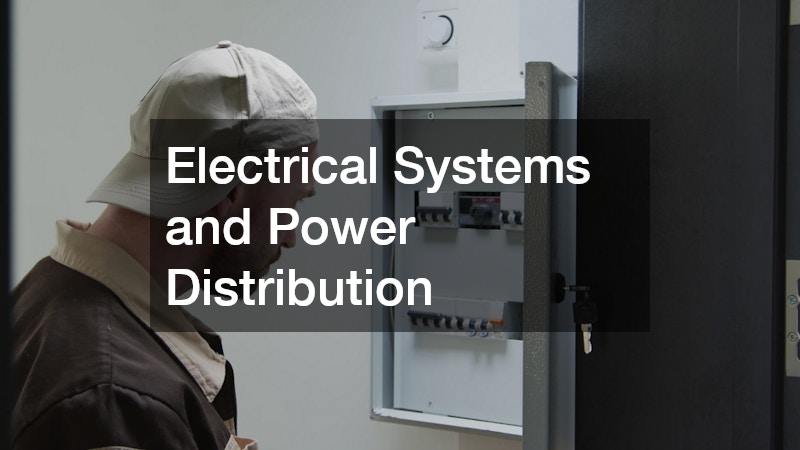
Electrical systems support nearly every function within a commercial property. From lighting and security to specialized equipment and data infrastructure, reliable power distribution is essential.
Power Capacity and Load Management
Commercial buildings often require higher electrical capacity than residential spaces due to equipment demands, extended operating hours, and multiple tenants. Load management becomes increasingly important as businesses expand or introduce new technologies.
A properly designed electrical system includes safeguards to prevent overloads and power disruptions. Components such as a bulkhead electrical connector may be used in certain applications to maintain secure electrical connections across structural barriers.
Maintenance and Safety Considerations
Electrical systems require regular inspections to address wear, corrosion, or outdated components. Many property owners schedule assessments with providers offering commercial electrician services to verify code compliance and reduce fire risks.
Upgraded electrical infrastructure also supports energy-efficient lighting, automation systems, and future technology integration.
Plumbing and Water Management Systems
Plumbing systems in commercial properties must handle higher usage volumes while meeting health and safety standards. These systems affect restrooms, kitchens, mechanical equipment, and sometimes specialized industrial processes.
Water Supply and Drainage
Reliable water delivery is essential for daily operations. Inadequate pressure, aging pipes, or inefficient layouts can disrupt business activities and increase maintenance costs. Drainage systems must also accommodate higher flow rates to prevent backups or leaks.
Water management extends beyond interior plumbing. Stormwater control, roof drainage, and site grading all contribute to protecting the building from moisture intrusion.
Specialty Water Systems
Some commercial properties include additional water-related features such as cooling towers, fountains, or recreational amenities. Facilities with aquatic features often coordinate maintenance with a commercial pool contractor to manage safety standards, chemical balance, and equipment upkeep.
Structural Systems and Building Integrity
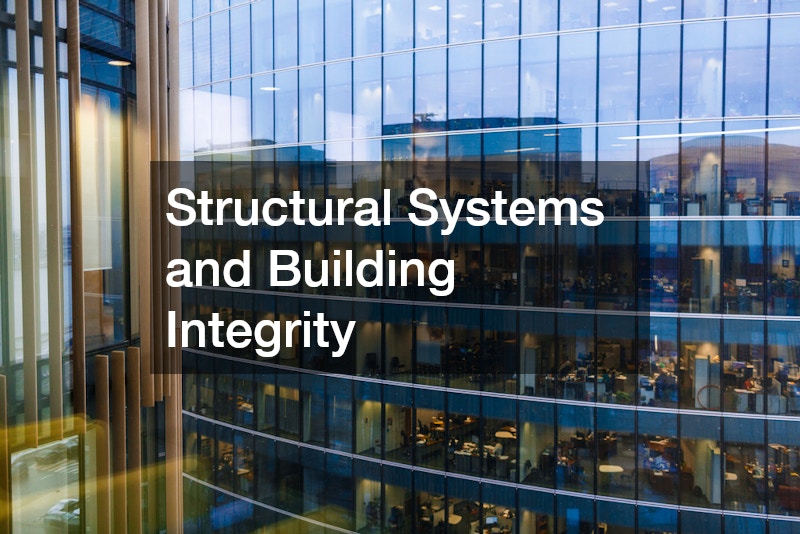
Structural systems provide the framework that supports all other building components. Columns, beams, foundations, and load-bearing walls must be designed to handle both static and dynamic loads over time.
Monitoring Wear and Stress
Commercial buildings experience constant use, vibration from equipment, and environmental exposure. Over time, these factors can cause settling, cracking, or joint movement. Regular inspections help identify structural concerns early.
Structural integrity also affects expansion potential. Business owners considering renovations or additions must evaluate whether existing systems can support increased loads.
Roofing Systems and Exterior Protection
Roofing systems protect commercial properties from weather exposure and play a key role in insulation and energy performance.
Roofing Materials and Lifespan
Commercial roofs are often flat or low-slope, requiring materials designed for drainage and durability. Common systems include membrane roofing, modified bitumen, and metal panels. Each material has specific maintenance needs and expected lifespans.
Many property owners work with commercial roofing contractors to evaluate wear, repair damage, and plan replacements before leaks cause interior damage.
Preventing Water Intrusion
Roof penetrations for HVAC units, vents, and drainage require careful sealing. Even small failures can allow moisture to spread across insulation layers, leading to mold growth and structural deterioration.
Entry Systems, Doors, and Access Control
Entry points are critical for security, accessibility, and daily operations. Commercial doors must handle frequent use while meeting safety and code requirements.
Door Systems and Durability
High-traffic environments demand durable entry solutions. Many facilities install commercial metal doors for their strength, fire resistance, and long service life. These doors are commonly used in warehouses, healthcare facilities, and industrial settings.
Door systems also affect energy efficiency. Poor seals can allow air leakage that strains heating and cooling systems.
Accessibility and Compliance
Commercial properties must meet accessibility standards to accommodate employees and visitors. Entry systems often include automatic openers, ramps, and visual signage to support inclusive access.
Exterior Enhancements and Environmental Control
Exterior systems influence how a commercial building interacts with its surroundings. These elements affect aesthetics, comfort, and energy efficiency.
Shading and Weather Protection
Sun exposure can increase cooling loads and cause interior glare. Many businesses install shading solutions to improve comfort and reduce energy usage.
Property owners often work with commercial awning installers to add protective coverings over entrances, walkways, or storefronts. These features also enhance curb appeal and provide shelter from rain or snow.
Façade and Envelope Performance
The building envelope includes walls, windows, and exterior finishes that regulate heat transfer and moisture intrusion. Proper insulation and sealing improve energy efficiency and protect interior systems.
Exterior systems also contribute to brand perception and customer experience. First impressions are shaped by how well a building manages comfort, visibility, and protection from the elements. Excessive glare, heat buildup near entrances, or weather exposure can discourage foot traffic and affect employee comfort. Exterior improvements that manage these conditions support usability while reinforcing professional appearance. Coordinating exterior upgrades with interior system performance helps maintain consistency across the property. These enhancements serve both functional and strategic purposes.
Interior Systems and Space Functionality
Interior systems determine how efficiently a commercial space supports daily operations. Lighting, layout, and acoustic control all influence productivity and customer experience.
Lighting Systems
Commercial lighting must balance visibility, efficiency, and ambiance. LED upgrades are common due to their longevity and reduced energy consumption. Lighting controls such as occupancy sensors further improve efficiency.
Space Planning and Adaptability
As businesses grow or shift operations, interior layouts may need to change. Flexible systems allow spaces to be reconfigured without extensive structural modifications.
Some businesses consult a business lawyer when negotiating leases or contracts related to interior improvements to clarify responsibilities and long-term obligations.
Interior systems must support adaptability as business needs change. Lighting layouts, power distribution, and partition systems that allow flexibility reduce the cost and disruption of future reconfigurations. Acoustic control is another critical consideration, particularly in offices, medical facilities, or shared workspaces. Poor sound management can affect productivity and privacy. Interior improvements should balance aesthetics with operational needs, ensuring that spaces remain functional, compliant, and comfortable over time. Planning for adaptability reduces long-term renovation expenses.
Safety, Security, and Monitoring Systems
Safety systems protect occupants, assets, and operations. These systems are often subject to strict regulations and regular inspections.
Fire Protection Systems
Fire alarms, sprinklers, and suppression systems are mandatory in most commercial buildings. These systems must be tested regularly to remain compliant and functional.
Security and Surveillance
Access control, surveillance cameras, and alarm systems help deter theft and monitor activity. Integrated systems allow centralized monitoring and faster response times.
Safety systems also influence employee confidence and tenant retention. Occupants are more likely to feel secure in environments where monitoring and emergency systems are visible and well-maintained. Integration between fire protection, access control, and monitoring platforms allows faster response during incidents. Regular testing and staff training reinforce system effectiveness. Documentation of inspections and upgrades supports compliance and insurance requirements. Business owners who prioritize safety infrastructure demonstrate commitment to operational responsibility and occupant well-being.
Moving, Expansion, and System Coordination
Changes in occupancy often require careful system coordination. Whether relocating within the same building or expanding to a new space, system compatibility is essential.
Some businesses work with commercial moving companies during relocations to minimize disruption and protect sensitive equipment during transitions.
Coordinating system shutdowns, reconnections, and inspections helps maintain continuity during moves or renovations.
Relocations and expansions often expose system limitations that were previously unnoticed. Electrical capacity, ventilation design, and access points may require adjustment when occupancy changes. Coordinated planning reduces downtime and prevents last-minute modifications. System compatibility between old and new spaces is essential for operational continuity. Clear communication between service providers and internal teams helps manage transitions efficiently. Thoughtful coordination minimizes disruption and supports smoother integration of new spaces or layouts.
Maintenance Planning and Lifecycle Management
Proactive maintenance extends system lifespan and reduces unexpected expenses. Business owners benefit from understanding expected replacement timelines for major systems.
Budgeting for Upgrades
Capital planning allows businesses to spread costs over time instead of facing sudden, large expenditures. Scheduled upgrades are often more cost-effective than emergency repairs.
Documentation and Records
Maintaining records of inspections, repairs, and warranties supports compliance and resale value. Documentation also helps contractors diagnose issues more efficiently.
Lifecycle planning helps business owners shift from reactive spending to strategic investment. Understanding replacement timelines for major systems allows capital expenses to be forecasted accurately. Preventative maintenance reduces emergency calls, overtime labor, and operational interruptions. It also extends system lifespan and improves performance consistency. Aligning maintenance schedules with operational cycles minimizes disruption. Businesses that maintain detailed service records gain better insight into system trends and cost drivers, supporting smarter decision-making over time.
Commercial building systems influence nearly every aspect of business operations, from employee comfort and safety to energy efficiency and long-term financial stability. Understanding how these systems function, interact, and age allows business owners to make informed decisions that protect both daily operations and long-term investments.
By taking a proactive approach to system management, business owners can reduce disruptions, plan upgrades strategically, and maintain compliance with evolving standards. Well-maintained systems support smoother operations, stronger property value, and greater confidence in the future of the business.