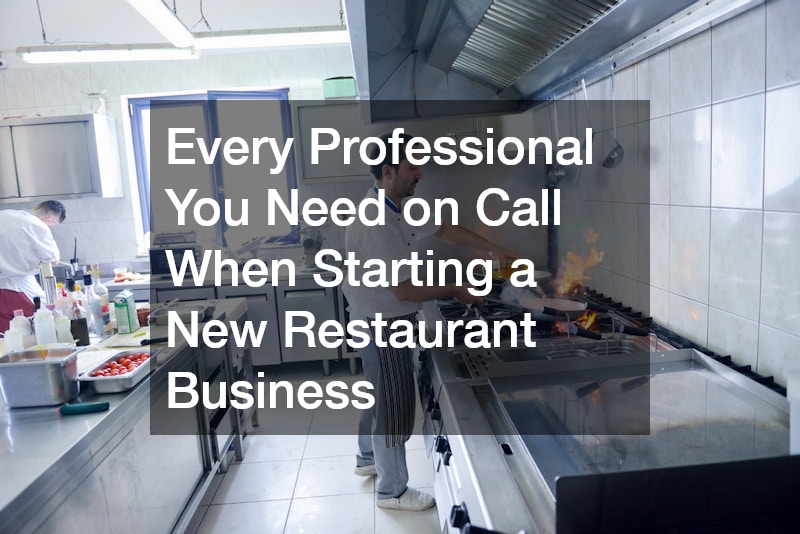
Launching a restaurant is one of the most complex, high-stakes ventures in the business world. Beyond crafting an incredible menu and designing an inviting dining room, turning a culinary vision into a profitable reality requires a robust backend infrastructure. From navigating strict municipal building codes and health department mandates to establishing strong brand identity and ongoing site safety, no restaurateur can succeed alone.
Building a dependable network of licensed trade specialists, service providers, and emergency contractors before opening day is the ultimate risk-management strategy. When a walk-in cooler fails on a hot Friday night or a main drain backs up during dinner rush, having vetted professionals on speed dial prevents minor operational hiccups from escalating into revenue-crushing shutdowns.
This comprehensive operational guide outlines the core professionals, trade experts, and specialized vendor services required to launch, protect, and maintain a thriving restaurant business.
1. Structural & Core Utility Infrastructure
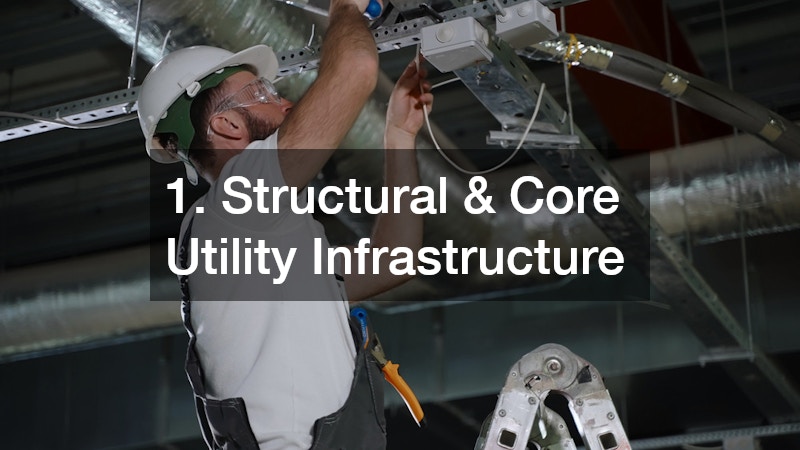
Opening a commercial kitchen demands utility capacity far beyond standard retail spaces. Securing reliable, licensed trade contractors during pre-construction and establishing emergency service contracts ensures your venue remains safe, compliant, and continuously operational.
Upgrading Heavy-Duty Power and Lighting Networks
Commercial kitchen equipment—from multi-deck ovens and deep fryers to high-capacity ice machines and POS terminals—places immense demand on electrical panels. Engaging a licensed commercial electrical service during the design phase prevents hazardous circuit overloads, equips your kitchen with proper dedicated breakers, and installs mandatory Ground Fault Circuit Interrupter (GFCI) outlets near wet prep stations.
- Load Calculations: Have a master electrician conduct a full amperage audit to ensure incoming service handles peak equipment loads without tripping main breakers.
- Emergency Backup Systems: Install dedicated surge protection for delicate point-of-sale systems and automatic transfer switches for emergency refrigeration generators.
An experienced electrical contractor also plays an essential role in configuring energy-efficient ambient, task, and accent lighting across the front-of-house dining areas. Dimmable LED systems allow general managers to shift dining room atmospheres seamlessly from bright lunch service to cozy evening dinner service, directly influencing customer comfort and dwell time while keeping monthly utility bills manageable.
Building High-Flow Sanitation and Grease Interception Systems
Water flow and waste removal are critical lifelines for any food service operation. Commercial kitchens require specialized high-temperature dishwashing lines, indirect waste drains for food prep sinks, and code-compliant grease traps to intercept fats, oils, and grease (FOG) before they reach municipal sewer lines. Partnering with experienced commercial plumbing companies guarantees that water supply lines maintain consistent pressure while waste systems comply fully with local health codes.
- Grease Trap Sizing: Work with certified plumbers to install correctly sized interior or exterior hydro-mechanical grease interceptors to prevent costly sewer backups and municipal fines.
- Rapid-Response Drain Maintenance: Establish a quarterly hydro-jetting schedule for main kitchen lines to keep heavy grease buildup from restricting pipe diameters.
In addition to waste lines, master plumbers install backflow preventers, booster heaters for commercial dishwashers to reach sanitizing temperatures of 180°F, and dedicated filtration systems for fountain soda, espresso machines, and ice makers. Clean, filtered water prolongs expensive beverage equipment lifespans by preventing mineral scale buildup while ensuring every glass of water served to guests tastes crisp and pure.
2. Climate Control, Ventilation, and Environmental Sanitation
Maintaining proper indoor air quality, thermal comfort, and strict health department sanitation standards protects your food inventory, staff productivity, and customer comfort.
Managing Air Balance and Commercial Hood Exhaust Systems
Commercial kitchens generate extreme heat, smoke, grease vapors, and humidity. Installing and maintaining Type I (grease) and Type II (heat/steam) exhaust hoods requires precise engineering to balance exhaust airflow with fresh make-up air. Hiring a specialized commercial HVAC contractor ensures your kitchen maintains negative air pressure—preventing heavy cooking odors from seeping into the front-of-house dining area while keeping ambient kitchen temperatures manageable for line cooks.
- Make-Up Air Balancing: Ensure your heating and cooling specialists calibrate make-up air units to replace exhausted air without straining dining room climate control systems.
- Preventative Filter Care: Schedule monthly rooftop unit inspections, belt replacements, and coil cleanings to avoid sudden compressor lockups during peak summer seasons.
Proper indoor climate management is equally critical for customer retention in the dining room. An underpowered or poorly maintained air conditioning system can make guests uncomfortable during hot summer months, leading to negative online reviews and lost repeat business. Having a commercial heating and cooling specialist perform bi-annual seasonal tune-ups guarantees optimal humidity levels and comfortable dining temperatures regardless of outdoor weather spikes.
Establishing Proactive Pest Exclusion Protocols
A single pest sighting can permanently damage a restaurant’s reputation and trigger immediate closure by local health inspectors. Rather than waiting for a crisis, partner with trusted local exterminators before moving food inventory into the building to establish a comprehensive Integrated Pest Management (IPM) strategy.
- Structural Sealing: Have pest control technicians inspect and seal outer wall penetrations, door sweeps, and pipe chases with stainless steel mesh and silicone sealant.
- Routine Monitoring: Set up non-chemical monitoring stations throughout dry storage, dish pits, and waste staging areas for bi-weekly inspections and detailed compliance logging.
Professional pest control partners also train kitchen staff on proper end-of-night closing routines, such as deep-cleaning drain guards, lifting wooden floor mats, and ensuring dry goods are stored in airtight, food-grade containers elevated at least six inches off the floor. This collaborative approach creates an inhospitable environment for pests, ensuring clean health inspection reports.
3. Waste Management, Eco-Compliance, and Recycling Logistics
Restaurants generate substantial volumes of solid waste, liquid byproducts, and recyclable materials. Establishing automated, environmentally compliant waste management services prevents foul odors, vector attraction, and regulatory penalties.
Setting Up Bulk Refuse Removal and Site Cleanups
During the initial buildout, equipment installation, and daily operations, food service establishments produce high volumes of cardboard, wooden crates, and solid waste. Arranging dependable dumpster rentals during pre-opening construction keeps staging areas clear of fire hazards and safety obstructions.
- Right-Sizing Receptacles: Calculate daily waste volume to select appropriate front-load dumpster sizes and collection frequencies, preventing unsightly, overflowing trash yards.
- Construction Waste Segregation: Utilize dedicated roll-off containers during renovation phases to separate recyclable scrap metal, wood, and masonry from general landfill waste.
Maintaining clean dumpster enclosures is vital for community relations and health code compliance. Staging waste in locked, durable containers prevents windblown litter, reduces foul odors during hot weather, and stops illegal dumping from neighboring businesses. Scheduling routine pressure-washing services for concrete dumpster pads removes grease slicks and sticky residue that attract flies and rodents.
Establishing Scheduled Organic and Liquid Byproduct Disposal
Beyond solid refuse, commercial kitchens generate organic food waste and large volumes of spent frying oil. Contract with a licensed garbage hauling service to ensure daily or multi-weekly removal of compostable food scraps and general refuse. Simultaneously, set up automated cooking oil recycling services to collect used yellow grease in secure, leak-proof outdoor storage tanks.
- Grease Value Recovery: Partner with certified bio-fuel processors who provide free outdoor containment tanks and offer scheduled grease pump-outs—often providing rebates based on oil volume.
- Vector Control: Keep outdoor dumpster pads and grease containers tightly sealed, locked, and power-washed weekly to eliminate bad odors and discourage animal scavengers.
Implementing dedicated organic waste sorting stations inside the kitchen also boosts employee eco-awareness and helps lower landfill costs in municipalities that charge heavy tipping fees for unsorted commercial trash. Diverting prep scraps and coffee grounds into separate composting bins demonstrates clear environmental leadership to eco-conscious diners.
4. Brand Identity, Merchandise, and Visual Signage

First impressions drive foot traffic. Transforming a brick-and-mortar location into a recognizable brand requires expert craftsmanship across external visual markers and staff apparel.
Designing High-Visibility Exterior Markings
Your exterior building facade serves as a 24/7 billboard. Working with experienced signmakers to design, fabricate, and install illuminated outdoor signs ensures your restaurant captures driver attention, reinforces brand aesthetics, and satisfies municipal zoning ordinances and landlord design criteria.
- Permit Management: Ensure your signage vendor secures all necessary city permits, structural engineering stamps, and electrical approvals prior to wall or monument installation.
- Energy-Efficient Illumination: Utilize low-voltage LED channel lettering or push-through acrylic graphics to maximize nighttime visibility while minimizing electrical operating costs.
Beyond primary storefront lettering, professional sign companies assist with auxiliary directional signage, such as curbside pickup markers, patio enclosure graphics, and ADA-compliant interior rest room signage. Clear, professionally crafted signage guides guests smoothly through their dining experience, creating a polished, highly organized brand presence from the moment they enter the parking lot.
Crafting Custom Wearables and Staff Uniforms
A cohesive, professionally outfitted front-of-house and back-of-house staff elevates the guest experience and reinforces brand culture. Partnering with a specialized custom screen printing provider allows you to produce durable, high-quality branded aprons, t-shirts, chef coats, and promotional apparel for opening team members and retail sales.
- Durable Fabric Selection: Choose breathable, stain-resistant cotton-poly blends that withstand repeated industrial laundering and heavy kitchen exposure without fading.
- Merchandise Revenue: Print limited-edition branded apparel (hats, graphic tees, tote bags) to sell at the host stand or online, turning loyal guests into walking brand ambassadors.
High-quality uniforms foster a strong sense of team unity among staff while establishing immediate visual clarity for guests seeking assistance in a crowded dining room. Providing line cooks and dishwashers with moisture-wicking, professional kitchen shirts boosts morale, keeps staff comfortable during high-volume rushes, and maintains high personal hygiene standards.
5. Site Security, Risk Management, and Asset Protection
Protecting your staff, patrons, cash flow, and physical property requires a comprehensive security architecture that combines physical presence with electronic surveillance and specialized legal support.
Securing On-Site Assets and Nighttime Operations
Late-night operations, alcohol service, and cash drops make restaurants prime targets for burglary, vandalism, and internal theft. Hiring a dedicated 24 hour security guard service for high-risk launch periods, late-night closing shifts, or urban locations provides an immediate visual deterrent, manages rowdy crowds, and ensures employee safety during late-night trash runs and walk-outs.
- Access Control & Escorts: Have security personnel oversee late-night manager cash drops, monitor rear exit doors, and escort closing staff safely to their vehicles.
- Integrated Surveillance: Pair physical guards with high-definition IP camera networks covering POS stations, liquor storage rooms, walk-in coolers, and exterior loading docks.
Visible security personnel also reassure dining room guests and evening patrons, creating a safe, comfortable environment during late-night hours. In busy nightlife districts or entertainment hubs, trained guards excel at de-escalating tense situations before they disrupt other diners, maintaining a welcoming atmosphere while safeguarding your liquor license.
Securing Regulatory Compliance and Legal Protections
Navigating state liquor licensing, lease agreements, vendor contracts, employment law, and corporate structuring requires specialized legal oversight. Retain a qualified hospitality business attorney to review commercial leases, draft employee handbooks, and ensure full compliance with local, state, and federal labor regulations.
- Lease Negotiations: Have your legal counsel negotiate tenant improvement (TI) allowances, exclusivity clauses, and clear landlord maintenance responsibilities before signing.
- Liquor License Acquisition: Work with legal experts who understand municipal zoning boards and liquor control commissions to prevent costly licensing delays that postpone your grand opening.
Having a dedicated hospitality attorney on retainer proves invaluable long after opening night. Whether managing worker’s compensation claims, reviewing supplier contracts, or protecting intellectual property like proprietary recipes and house logos, legal experts shield your business against unforeseen liabilities.
Building Lasting Vendor Relationships for Long-Term Success
Launching a restaurant is not a one-time project, it is the beginning of ongoing operational maintenance. The relationships you establish with trade specialists, municipal haulers, and technical contractors during pre-construction form the backbone of your daily operations once the doors open to the public.
Treat your professional service network as strategic partners rather than transactional vendors. Prompt payments, clear communication, and scheduled preventative maintenance contracts ensure these specialists prioritize your venue when emergency repairs arise.
By assembling a vetted, highly skilled team of trade professionals before your soft launch, you protect your physical asset, empower your kitchen and service staff, and position your new restaurant business for years of sustainable, profitable growth.
Investing time into vetting reliable professionals before opening day allows you to focus on what matters most: delivering exceptional food and hospitality to your guests. With a dedicated network handling your utility systems, facility safety, waste management, and regulatory compliance, you transform reactive emergency management into a smooth, proactive operation. Ultimately, your backend support network is just as vital as your front-of-house service, serving as the quiet foundation that keeps your kitchen firing and your business thriving for years to come.